[00:00:00] Lauren:
Welcome to the Acumatica ERP podcast, where we explore practical innovation for growing businesses.
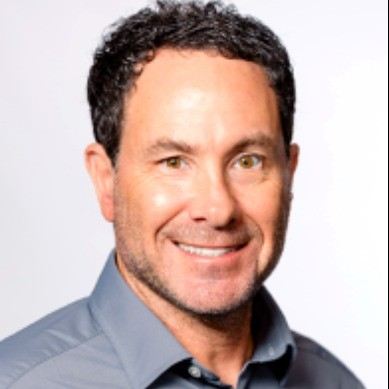
Today we're joined by Robert Kramer, who is the VP and principal analyst at More Insights and Strategy,
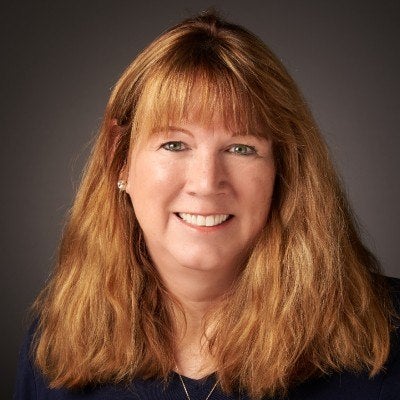
and Mickey North Rizza, who is the group Vice President for IDC's Enterprise Software.
Robert, can you introduce yourself and describe your role at Moor Insights and Strategy?
[00:00:24] Robert:
Absolutely. Robert Kramer, with Moor Insights and Strategy. My emphasis is on enterprise applications and data,
specifically ERP, which is enterprise resource planning, which we all know and that’s why we’re here.
The acronyms and supply chain management and enterprise data, which data is a big component of ERP and SEM.
[00:00:48] Lauren:
How does your work intersect with the world of ERP and business technology?
[00:00:53] Robert:
That's a great question, because vendors are down a technology path with ERP and the customers are on a modernization schedule.
And I advise the clients on how that intersection is actually moving forward the clients are the vendors like yourselves.
[00:01:12] Lauren:
Very nice. Very nice. That sounds like a really interesting journey between the two people, right?
So what are you looking for while you're here at Summit and what have you seen so far that has impressed you?
[00:01:28] Robert:
Well, you know, what I'm looking at is how your customers are actually using the system and what advances you're doing with the technology to help those customers.
And I'm seeing that the customers are at a certain level with, depending upon what industry they're in, because you're industry specific, which is a big deal.
[00:01:45] Robert:
And then how they can adopt this technology. And one of the things I'm seeing is that the customers are at one level with them.
Innovation capabilities, and I call it innovation aptitude 'cause they're all at different levels, yeah, but the innovation that you're putting forth and actually implementing into your releases, they might be at a different level.
[00:02:06] Robert:
So I'm kind of looking how they actually converge a little bit, but I'm impressed with your product team and how they're advancing the technology.
There's a lot of technology in the world and it's super important for these customers to understand how they actually get there.
[00:02:20] Robert:
I think there's a lot going on that with your team that's actually, positioning the software for the future for the customers.
[00:02:26] Lauren:
Oh, I'd love to hear that. That's great. Yeah. I mean, I think the releases and the, and even what we saw today in the keynote, right?
[00:02:32] Lauren:
Talks to the, the, the devotion that we have to yeah. Improving the product.
So from your vantage point, what are the biggest priorities or pressures facing growing businesses in 2026 and beyond?
[00:02:45] Robert:
Well, a lot of times when you implement a new ERP system. really any system you're having to change the processes of your customers.
[00:02:55] Robert:
So customers don't really understand fully what they actually are gonna have to go through.
So to modernize it's not just about putting a new system in because I already have a system that's working.
Am I using that system a hundred percent? Most likely not. Probably 50%.
So if I'm gonna go to a new place.
[00:03:11] Robert:
A new version or a new system, if they're coming off of a competitor or whatnot,
they have to be able to understand that their processes are gonna change.
When those processes change, what does that mean? It means I'm gonna really revamp my whole business, but why am I revamping it?
Because I need to modernize, because I need to be more efficient, because I need to be able to take advantage of growing my company with a system.
[00:03:34] Robert:
So the processes are a big deal. The data's a big deal. and to actually grow into where the, the actually the industry is going with is with Agentic AI
and eventually will be an, an event driven system, which the system will actually help tell your next steps on how to actually work with tasks and things like that.
One of the things that I kind of, I write about and talk about is Industry 5.0, which is, collaboration between humans and robots.
It's actually taking the manual task and shifting that to the, you know, agentic AI. which is automating those tasks, but then shifting the, the person who had that role to more of a strategic role, I think a little bit more emphasis on that.
[00:04:21] Robert:
And, but the companies need to understand that they're not losing their job, they're being shifted because there's growth,
and they have to grow and Acumanica will grow with them.
[00:04:29] Lauren:
Yeah. Yeah. I love that. And I love that you brought up the AI, Robert. That's the perfect lead into the next one.
so, you know, obviously as you mentioned, you know, AI is everywhere, right?
[00:04:40] Lauren:
And kind of alluded to automation, right? The autonomy that we've, that we even talked about in, or we heard about in the summit keynote today, right?
So how do you, can you talk a little bit more about how you see, you know, AI and the automation kind of reshaping ERP software in the future, or even to even this year?
[00:05:01] Robert:
I think we're gonna go through a revolution of change with ERP, and I think it's a great thing because we went from on-premise.
To cloud, to staying in cloud, but more of a, a modern, cloud ERP, which is the event driven system that I'm talking about.
And to get there, you have to be able to understand the processes of that.
[00:05:23] Robert:
So I see all, vendors going in the next direction, but the customers, they're at a different level.
They're trying to understand how they use AI. So I think the first thing is. How do they get AI to be able to be absorbed into their company and have an ROI on that?
And I think that hasn't happened fully yet.
[00:05:41] Robert:
I think it's happening, but a lot of the customers aren't, not they're not fully using your system.
So to kind of go backwards a little bit, I'm talking to them and they're not understanding how to use all the capabilities of Acumatica.
And so how do they do that? Well, I think they have to own that.
[00:06:00] Robert:
Which is a big deal. We talked about that while we were kind of chatting. Yeah.
But Acumatica has to show them you know, has to have a red flag of how they actually can tell the customer that you're not using all the system.
A couple companies I talked to yesterday, they were, they weren't having certain locations on the system or certain,
[00:06:18] Robert:
I guess like warehouse, management, capabilities or they might not, put in the data right.
Which is a big deal. We'll get to that in the next question, I think.
But what, you know, this, these systems are differentiators and the goal is whatever you have that you're doing manual needs to be on the system.
If the system has it. And so if I owned a manufacturing company, I didn't have a certain task or certain, production or scheduling or whatever on the system,
and I was doing that manually, that's a red flag.
I mean, the goal is everything has to be on the system, has to be a differentiator, and the, and the data has to be right.
If that's not happening, then you won't be ready for event driven.
[00:06:58] Robert:
And, and, and I think that's the key. And so I, I, there should be some type of an assessment that these companies can do that they know what's not on the system.
there's a reason why their inventory control is not accurate.
[00:07:10] Robert:
There's a reason why they have, uh buy one get one free in the retail store because they overproduced and somebody had it on their spreadsheet.
Yeah. And ttheir mins and maxes are controlled by their gut. You know, these should be based on forecasting and passing you know, a market that they've actually sold in or where they see you know, things beefing up.
[00:07:31] Robert:
And this is the way that you improve your business because if it's a competitive advantage, the competitors are already doing it or somebody's doing it.
[00:07:38] Lauren:
Right, absolutely.
[00:07:39] Robert:
And these systems are not meant to be a system of records. They're supposed to be a system of action.
You call it intelligence, but it's not there to just record and do your reporting and your taxes. So.
[00:07:52] Lauren:
Very nice. Yeah, I think that's a great, great way to look at it. I've also heard from many customers who, you know, don't, aren't necessarily using it completely or aren't necessarily using Acumatica in, like you mentioned, you know, like whether it's the warehouse or maybe they have like some kind of homegrown system that they've just, they're not willing to give up and I think, you know, and, and, and people like you can really kinda advise them to, you know, how to embrace it fully, right?
[00:08:21] Robert:
Well, you have your processes and when you have those processes, it's, I always talk about change management and a lot of people say, well, you talk about it a lot, but it's a big deal.
[00:08:30] Robert:
And you know, but before change, management is a fear factor.
So you, you have the fear, you have the change management, you have processes.
You have emotions with the people that don't want to change the way that they're doing their job. Yeah.
These all come into play. Why? They're not on the system a hundred percent.
[00:08:46] Robert:
And it has to be from the top down. And it's not that someone at the top is, it is being I guess rude or, or you know, not being as professional as they would want them to be.
It's about the company and it's about the company implementing your system. For growth.
And to be successful, right, like I said before, everything has to be on the system. 'cause that's the intention.
Yeah. That's why everything connects. And that's why it all flows from, you know, procure to pay order to cash through production, to supply chain.
And these were designed for that. They have to be a competitive advantage or you're just gonna be a bonafide, you know, recording system.
[00:09:24] Lauren:
Right, right, right.
[00:09:25] Robert:
From the record.
[00:09:25] Lauren:
Right.
[00:09:26] Robert:
Yeah. The companies, and there's a lot of 'em that are doing this, and it's, a lot of it is their fault, but, the implementation has to be successful because the downstream of that implementation will never, you'll never overcome it.
[00:09:38] Lauren:
When you see a user or a customer who you feel is not approaching their implementation correctly? What do you usually try to, how do you intervene, I guess?
[00:09:49] Robert:
Well, I think it's important for companies that have a steering committee.
And to understand what the finish line looks like. Yeah.
I think a lot of companies underestimate the role that the implementation is. And it is very hard.
[00:10:01] Robert:
You wouldn't wanna do it unless you're gonna see a major change.
So if you're on an older system and you're using whatever, 50% of that.
And you're gonna attack it the same way you did on the previous system, you get the same 50%.
You go through all, all that for nothing.
[00:10:15] Lauren:
Right.
[00:10:16] Robert:
I, I also think it's important to have the people, the resources.
Be the implementation and maybe bring in temporary people to do the regular job.
That way they learn the system, it's done. There's some ownership.
they understand the finish line, how everything connects. The components, and how everything interconnects and understanding of why and what it does is super important.
Because if you don't understand why they're doing something, then they're not gonna get it and it won't be done properly.
[00:10:45] Lauren:
Right.
[00:10:45] Robert:
Right. training's a big deal.
Yeah. And I think that the implementation has to be done slowly and correctly.
because once it's done wrong, it will, I mean, to fix it is a big deal.
[00:10:57] Lauren:
I've heard people use different terms for, you know, the people who are the champions, right?
Who are in there trying to make sure that other people are enabled.
So yeah, that's, that's a really great point, Robert. Thank you.
So many businesses want to leverage technology, right?
[00:11:13] Lauren:
So like AI, and you already mentioned that, you know, we might be some of the companies out there, or maybe many companies aren't really too quick to adopt it, right?
Because maybe they don't know how, or what, for whatever reason.
So, like you mentioned, we've talked about this already, the data readiness. How important is that to making that leap?
[00:11:33] Robert:
Well. I think it's probably the number one priority. Yeah.
I, a lot of companies don't have data management strategies, and if you kind of think about how, you know, everybody started talking about AI a year or two ago,
and I, I kind of went on record and a lot of my research stemmed around the data.
[00:11:51] Robert:
And, you know, AI is a feed off of data. So if, if AI's not working, it's because of data, but, um.
When you do an implementation, whatever, you know, the master records, the product records you know, the parent child records, these all have to be tight because when you start thinking about before AI, you know, those reporting, you know, even using other tools,
[00:12:14] Robert:
like CRM and it, for it to work correctly, the data has to be tight, clean.
and the people I've talked to on, on, in this event, they all said that the data isn't a hundred percent.
They did not do, they all did, conversions or, you know, right, they moved, they moved the data from the, the past system and, you know, one of 'em said, we, we we just moved the parent over, but not the child.
[00:12:38] Robert:
I'm like, what? How, how are you gonna finish your production right? If you don't have that?
But the data. The AI is a huge component of it. So you will not, you can have the best LLMs and you know, the best systems to use AI.
But if the data's not right, it doesn't matter.
[00:12:55] Lauren:
Yeah. Yeah.
[00:12:56] Robert:
And but I, I would caution everybody to say like, today, that's what it is, but down the road it's going to automation and more innovations,
it's gonna rise continually on data.
[00:13:06] Robert:
And if you want to get to where the systems are going, which is an event driven system. Data needs to be tight.
Yeah. And I would, I would, I, you know, it's grueling to go through an implementation to put everything in,
but it's more grueling down the road to have bad data and not be, take advantage of the technologies.
[00:13:24] Robert:
Right. And I think it's one of those key things that if you want to go to where we're gonna be headed to this revolution of the venture driven system, the data has to be a priority.
And I don't think companies have the strategies in place that is necessary.
ERP systems are fantastic, but they need to be a competitive advantage.
[00:13:42] Robert:
And they will be with the things that I'm talking about.
you wanna be able to have a system that can forecast, demand, help you cross sell, go all the way through supply chain and select the right supplier or, you know, shipment,
or help you with the weather and forecast all these different things to do. without some manual effort that it's probably a huge thing right now. Right,
[00:14:08] Robert:
The one thing I will say, the cost of doing nothing is gonna cost more than modernizing.
[00:14:12] Lauren:
Yeah. Yeah. I love that. I completely agree. I mean, the cost of doing nothing, we hear that phrase thrown around, but I mean, it's a real thing. Right, it's,
[00:14:22] Robert:
It is a real thing.
Not to beat a dead horse on the data thing, but what can a partner do to help a potential customer get the data clean or get to that point where they're, you know, gonna have a successful implementation?
[00:14:36] Robert:
Yeah. Well, I think that the chances are the data in the past ERP system. The records, the setup.
Yeah. The structure is not the same as the new one.
[00:14:46] Lauren:
Okay.
[00:14:47] Robert:
So, so just to migrate that over I think will be challenging. So sometimes the, the, the partner has to own that.
Okay. And either it has to be put in cleaned, or they have to show them how it's gonna be cleaned.
Okay. To actually migrate that over, like
[00:15:02] Lauren:
Help them along that road.
[00:15:04] Robert:
Because the companies that I talked to, they they migrated it, but their data they said is not good still.
[00:15:10] Lauren:
Uhhuh. Yeah.
[00:15:11] Robert:
And so I'm not, I wasn't involved in, probably you weren't either. So what, what was done, there's tools out there to coin the data.
But depending upon the complexity of what they had before and where they're going now.
[00:15:23] Robert:
Does it make it more complex, the data cleanliness, or does it need to be put in?
Yeah. Now the people that you actually had on stage yesterday in Keynote, they said they put it in fresh.
Right. You know, and I know it sounds exhausting, but what's more exhausting that or three years down the road?
Yeah. Not having the ability to utilize the data properly.
[00:15:42] Lauren:
Right. And,get the ROI that you need. Right? I mean, it all boils into,
[00:15:47] Robert:
It does. I mean, these companies, they, they're in business to, to grow and right, and make money.
So manufacturers, I mean, if they wanna be leaders, this is a tool to get 'em there.
You know, finance companies, construction companies, healthcare companies, I mean, they need to be able to utilize what you have to, to grow.
And I do think one of the tools that you have, which is supply chain, that's a big deal because that's where if things get stagnant, that's where you could pick up the extra percentage.
'cause a lot of companies are losing money 'cause they're manually doing supply chain.
[00:16:19] Robert:
Or it's not fully automated or the warehouse management systems. And these are tools that you have as much as you can get on the main system,
[00:16:28] Lauren:
yeah.
[00:16:29] Robert:
The better.
[00:16:30] Lauren:
So for SMB, so for small and medium sized businesses who are looking to scale what advice or what kinds of tips can you, you know, and we've kind of touched on this a little bit, but what tips could you offer them for, you know, ways to get themselves to that point where they're a competitive, you know, they can, they have a competitive advantage with their ERP, right?
[00:16:51] Robert:
Right. Well, they know what their roadmap is to grow and they have to match that to the computer system.
'cause if it's not matched, they're just growing with their initial year that they're in.
So you have to kind of go out, you know, 3, 4, 5 years, work your way backwards. What do I need to put in place?
[00:17:07] Robert:
You You have to modernize. And I know that a lot of companies don't and they might be OnPrem and looking to go to Acumatica.
like I the cost of doing nothing is more than doing something.
So I guess one of my points is you don't have to go to zero to a hundred overnight.
You can go zero to one and just move forward.
And understand that roadmap because in the end your competitors are doing it, but you have to do it.
your underinvesting will limit you to scale and it will limit you to take advantage of technology.
'cause technology is not slowing down.
[00:17:41] Robert:
And like I said before, the, the vendors are ahead of the customers in most cases because of the fact that. They're slow to adopt.
And they don't go through change as quickly as you would. Right. You would like,
so the advice I have is to jump into that pool at some point.
Whether it's, you know, zero to 1, 0 10, 0, a hundred, and understand that you have to start mapping to that.
Otherwise you could surely run your business on prem and you can surely throw the bill materials, you know, from one end of the production floor to the other for it, you know, to.
Produce it and then to ship it. Yeah. You know, how effective is that to allow you to grow?
[00:18:21] Robert:
but I will tell you that I do think a lot of these companies care about themselves and they probably need a little help to evolve a little bit more.
Because they're focused on success.
[00:18:31] Lauren:
Right, right. And, you know, and they're, they're focused on their own internal business, right?
Whereas a partner is coming in and trying to assist them and, and get them to a point where they can look kinda.
A little more holistically at, at their business and, and see what the potential is. Right. Right.
So, yeah. I love it. That's good. I love the idea of you know, going, not needing to go from to zero to a hundred.
[00:18:55] Lauren:
Right. Right. It's okay to, and it's a scary prospect. I'm sure.
[00:18:59] Robert:
It's very scary.
[00:19:00] Lauren:
Right. But I love that idea that you can, like, okay, let's, if you think that you're at that point where you're ready.
And everybody's gonna need to do it eventually, right? If they're not doing it now.
So let's start thinking about that modernization and take it in steps, right? And not be quite so scared about it.
[00:19:18] Robert:
Well, I think vendors you know, they come out with a re release and they want the customers just, why won't you go on?
Yeah. Well the customers are, they're, they, they were successful in managing their business on the release they're on now.
So they don't understand why they have to change.
[00:19:34] Robert:
So it goes to that, well, they understand 'cause they want to keep on adding new capabilities, but they need the, they have a change process that they're going through and that is scary to them.
. And. They've all probably experienced some failure with change, and also the processes are gonna be modified and that's a, that's a problem.
[00:19:55] Robert:
And, but they're being modified for the better.
You know, I like the way that your industry is specific, because it allows.
Different industries and the customers within that industry to feed off each other. You know, and your low code, capabilities allow changes without having to modify the software.
[00:20:12] Robert:
Yeah. And that's a big deal. It gives a lot of flexibility and allows these companies, you know, so say you're a chemical company or you know, you have environmental regulations, right.
One company could say, well, this is what we do. It gets put in the system.
The other company gets. To, to use that changes could be done with low code to, an MSDS or a certificate of analysis.
These are really, really big deals and important to the customers. . And the involvement.
But the bigger picture is how do you get to modernize your whole company? Um. And get it where this is a competitive advantage.
[00:20:47] Lauren:
yeah. I love it. Thank you. Okay, so let's wrap up real quick.
[00:20:51] Lauren:
So, what's one prediction that you have for AI automation that will take small to medium sized businesses to the growth that they need in the coming year?
[00:21:01] Robert:
Well, the prediction I have is I think that a lot of these companies are going to jump on the data management strategy.
Needs to be a fully enforced, that will lead to the event driven system that I've been talking about.
And I think that the small to medium sized businesses will be able to really expand their businesses where more efficiencies get into the industry.
Five dot 0 that I talked about. . And full automation where they can actually take advantage of. Expanding the sys their business and the system.
[00:21:34] Robert:
Without adding their employees. Yeah. Yeah. And that's what these systems are in place to automate, to grow, but not spend more.
[00:21:40] Lauren:
Right. Right.
[00:21:40] Robert:
So, and that's really a huge key to, to their success long term.
[00:21:45] Lauren:
Yeah. I love it. That's great. Okay, I'm gonna do a quick lightning round. Okay. So brace yourself.
[00:21:51] Robert:
Oh my God.
[00:21:51] Lauren:
So what's been your favorite part of Summit so far?
[00:21:54] Robert:
I actually love this, the, the convention center. Yeah. It's fantastic.
I know you know, John is a very charismatic down to earth person. I love talking to him.
the, the product team, you know, not trying to be extra nice to them or you or whatever, but their performance today in the keynote, I thought was.
[00:22:16] Robert:
Really unique and cute and, yeah, enlightening and, you know, you always want to keep your, keep your attention.
Yeah. And they did. And I really thought it was nice.
[00:22:25] Lauren:
do you have a book or a podcast that inspires you, like recently that you really, uh draw from?
[00:22:33] Robert:
You know, I do a lot of reading on the, the Industry 5.0.
Yeah. I do a lot of research on the event driven, and I actually have my own podcast that I do,
and so I kind of do a, a, a combination of all the things I mentioned.
[00:22:47] Lauren:
For sure. For sure. Well, we really appreciate you being here at Summit.
[00:22:49] Lauren:
Thanks for joining us, Robert. It's been such a pleasure to have you here at the Acumatica ERP Podcast.
[00:22:54] Robert:
Thank you. It was wonderful.
[00:22:56] Lauren:
Thanks.
[00:22:57] Lauren:
Mickey, thank you for joining us. It's great. Can you tell us a little bit about your role at IDC, your title and all of those things?
[00:23:03] Mickey:
Sure. So i'm group Vice President of Enterprise Applications. Okay.
And I cover enterprise applications and agents, and specifically within my coverage, I cover enterprise apps as a holistic, as avenue, as well as ERP,
ERM and what we call PSA applications. And then I also work closely with the team that I lead who cover various other aspects of enterprise applications.
[00:23:27] Lauren:
Wow, that's a lot. Well, we, we bring quite a bit to the table here, but it makes it fun.
[00:23:31] Lauren:
Yeah, I'm sure. And that's, I mean, I am sure it's a wide reaching subject matter, right? For sure.
[00:23:37] Mickey:
And to your point, just so you know we actually look at three different types of clients.
So we look at our vendor and services clients
[00:23:46] Mickey:
Acumatica as part of that, right. And then we also look at our financial, um.
Financial insights type organizations that come in and some financial services and say, Hey, you know, what's going on in the industry?
You know, why are these companies doing so well? And so we take them through the trends.
Okay. We don't look at it from necessarily the financials per se. We do write about them, but we spend more time on the trends and what's impacting the industry.
And the financial analysts take that and they run with it.
[00:24:12] Lauren:
Oh, beautiful. Yeah.
[00:24:13] Mickey:
And then the last area that we spend an awful lot of time on is with our end user clients.
And that could be anywhere from a line of business unit procurement, supply chain, hr. It.
CIO. Okay. CEO CMO. We look, we cut across the board and we're answering questions about the technologies that they're looking for.
Many times we'll come back to folks like yourselves and ask some of those questions. 'Cause we may not have that information.
[00:24:37] Lauren:
I can appreciate that. I mean, there's a, a fine arts to be able to walk away, get the right answer, and then come back with an informed.
Answer your for, for your clients, right? Yeah. That's awesome. Yes.
So you've been to a lot of industry events obviously. Part of your role is to keep a, a close pulse on technology trends, as you mentioned, right.
So tell me a little bit about how ERP is evolving, you know, the evolution of it, what you're seeing moving forward just in this year or into, farther into the future.
[00:25:10] Mickey:
Sure. Absolutely. So, you know, we, we go to the industry events. We spend a lot of time with your clients and other company's clients or competitors and whatnot.
We also spend a lot of time with those who implement the systems and, and bring them to that next level.
[00:25:23] Lauren:
Yeah.
[00:25:23] Mickey:
And we try to understand what their needs are and where their focus is.
In addition to that, IDC's Middle initial is D and that stands for data.
And so we do an awful lot of surveys and studies within IDC and one of those.
Studies that we've done over the last year, and we do it pretty much every year, is our SaaS IBC, SaaS path and agent study. Okay.
And what we found over this last year is 44% of organizations globally are investing in AI powered ERP.
[00:25:52] Lauren:
No kidding.
[00:25:52] Mickey:
So they're really flipping it up and going into AI.
In addition, we found that 22% of organizations said they will leave.
Their enterprise apps provider if they did not have gen AI in the next release. That's huge. That's a huge churn.
Yeah. Which tells me that the world is saying, Hey, if you can't get me AI and I can't depend on you and put that trust in you, I don't wanna work with you.
[00:26:15] Mickey:
So you're starting to see some of that come to the forefront here.
We expect that to continue for a period of time. Yeah.
And the last thing, I'll leave you with this from a tidbit perspective is 28% of organizations told us, they will continue to invest in anything that has AI in it and, and ERP is one of the top investment areas.
[00:26:34] Lauren:
Wow. What a coincidence. Isn't that great? Acumatica is doing that. Just that, right.
That's wonderful. Thank you for those awesome stats. Sure. Nice job. Thanks.
so when you look at small and medium sized businesses right now what do you think is, I mean, this is probably kinda what you just answered in a way, but what, what besides AI or in addition to AI, is kind of a big shift that you're seeing with, with those small and medium sized businesses?
[00:27:00] Mickey:
Actually, it, it's in, it's around AI.
So again, on the data side. So we also have something we call a worldwide SMB survey. Okay. Okay.
And we do that, I think it's like mid to late year, every year. . And so.
I'm gonna give you 2025 data. Okay.
When we looked at the data compared to 2024, which is a previous year, organizations, 20% of organizations, SMB organizations said they were gonna invest in AI and it wasn't that big.
[00:27:25] Mickey:
Yeah, okay.
[00:27:25] Mickey:
It was more on analytics, right? That was, and that was a secondary choice.
When we looked at it in 2025, it more than doubled to 52%.
Mm. And they, when we asked them why, they said they need to scale faster.
And they see AI as the opportunity to scale faster. Okay.
We asked one more question around that.
[00:27:42] Mickey:
And that is, where do you expect to put that investment in? And what we heard from SMBs or financial management and business operations.
Okay. ERP. Yeah, absolutely.
So it's all trending in that direction. Okay. I don't see it going away anytime soon.
[00:27:56] Lauren:
Yeah, for sure. I mean, you know, I think it's just so easy to throw the word out or throw the term out, right? You know, AI AI, yeah.
But in reality there's a lot to it. And it's real. Right? It's not going anywhere.
[00:28:10] Lauren:
Nope.
[00:28:10] Lauren:
You know, and I know that that was something that, you know, we've talked about in the keynotes over the last couple days.
Right. You know, just this isn't going anywhere. And where, you know, Acumatica is really committed to being at the forefront of that or being in front of it.
[00:28:22] Mickey:
You showed, you showed us the assistance. Yeah. You showed us where you're going.
The roadmap today, explaining where you're going in the short and the longer term into the agent world and how that's gonna change.
Yeah. And help an organization evolve much faster. So as far as I'm concerned, you're spot on in hitting those numbers.
[00:28:35] Lauren:
Yay. I can't wait to see the results.
[00:28:36] Lauren:
I know. And hear it from your clients, know, really exciting and you know, it's always exciting to see, you know, the product people being, so excited themselves, right.
And, and really getting into what they're creating. So, yeah.
[00:28:48] Mickey:
And that's way it should be. Yeah.
[00:28:50] Lauren:
That's awesome.
[00:28:51] Lauren:
I love that you see that too.
[00:28:53] Lauren:
Where else do you see AI really being, important to a small and medium sized business?
[00:28:58] Mickey:
I think it's a couple different areas. first and foremost, I think it's around eliminating manual and semi-manual workflows.
[00:29:06] Lauren:
Yeah.
[00:29:06] Mickey:
In one of our other data sets that we do, and this is a monthly report we do around the future enterprise resiliency and spending data.
Okay. And we look at that globally.
We've asked the question several times over the last eight months and what we found is. Between 80 and 83% of organizations on a continuous basis are investing in AI to eliminate semi-manual and manual workflows.
[00:29:29] Lauren:
Yeah.
[00:29:29] Mickey:
So if I think about that, I would think of anything from uploading, downloading data, trying to do something else, going on a search.
And you, and for, for instance, today, you guys spent some time going through search over the last two days showing how you could go ask the questions and it brings you the information, right?
[00:29:43] Mickey:
You're not moving away from your desk, you're not moving away from your device and the information, you're getting it at your fingertips.
And you're able to take the information, make it actionable, and get to the next decision and outcome where your business needs to go. Right.
So I think that those are most important.
[00:29:57] Lauren:
I love that.
[00:29:57] Mickey:
The, the other area I'm seeing is anything that's tied to a workflow within the system.
. So, for instance, one of the things that we chat with. Business is about, is if you could use AI in your enterprise applications, how do you wanna see it configured?
And all of them are like, why am I doing all these extra workflows?
[00:30:14] Mickey:
Right. Not just within the system, but then I have to tie out of it so that manual and semi-manual is that piece.
But within the workflows, instead of having these long workflows of, you know, 18, 15 different steps in a process, bringing AI in the data in the front end.
. Bring it all together and start reducing those workflows and making them short, simple, and eventually they'll become part of the technology where it's doing a lot of the work for you and bringing you the information so you can navigate any sort of disruption and make a better decision for your business from an overall basis.
[00:30:45] Lauren:
I love that. Yeah, that's perfect. I mean, again, I mean that's a lot of what they talked about in the keynotes, right?
Just a lot of those kind of that move to autonomy. That moved to the auto more automation, right? For the AI. Yep. Nice. Love it.
What's one strong example that you've seen of AI automation in just in, out of an ERP today.
[00:31:09] Lauren:
what do you
[00:31:10] Mickey:
There's just so many of them. I mean, I'll, I'll be quick and simple, but I mean, it's the simplest thing I can think of.
And if an organization's having to understand a hard time understanding it.
Think about the accounts payable clerk. . You know, they have a set of KPIs that they, they go against, and one of them is how many invoices they process in a given day, given week, a given month, a given quarter, or a given year.
[00:31:30] Mickey:
All right. And they're measured on that. Right. And it's, you know, throughput, time, efficiency, productivity, and getting to the next step.
Well, I've seen AI take away those steps and come back and say, as an assistant, Hey, tell me everything that's set up for payables right now. And they bring it back.
What's not set up for payables, right?
[00:31:47] Lauren:
Yeah.
[00:31:47] Mickey:
Why is it set up for payables?
And what they're doing is they're able to move that forward and get it ready to be processed. Yeah.
And then they can spend their time understanding the things that cannot be processed.
And they start uncovering where the issue's there.
What we're also finding is those individuals that spend time on problem solving, other areas that they notoriously did not have time for are starting to come up with other solutions and better solutions using AI.
[00:32:11] Lauren:
Yes, yes, yes.
[00:32:11] Mickey:
So they're starting to reinvent the way they do their work, and they're taking something simple.
If you think about the accounts payable clerk and them solving those problems, what you're then finding is that that KPI they had of the number of invoices no longer exist.
What happens now is the next, they move to the next one.
[00:32:30] Mickey:
How many invoices can we not process and can, what are the reasoning?
And they start getting rid of the reasons.
And they start putting better processes in place.
And they ask for AI to be put in place from a procurement standpoint or receiving standpoint and start bringing all these notions back together.
[00:32:44] Mickey:
So again, it's very simple, but if you can take that and magnify it across the business into the different.
Areas of business works and the employee works, you start to see the magnification of that.
And it starts bringing up productivity. Yeah. Efficiency.
And your outcomes become faster, quicker, and you're able to be more competitive.
[00:33:01] Lauren:
Yeah, absolutely. I mean, I'm, I, as you're talking, I was thinking of like just some of our industry leaders even who talk a lot, I mean, Asha, for example.
You know, I mean, they'll talk, or Cassie, you know, their job is completely different now. Right.
[00:33:14] Lauren:
And they've changed, you know, to be able to not be down in the weeds Right. And not be working on.
You know, those little things and being able to have a much bigger picture.
[00:33:26] Mickey:
Right, right, right. 'cause you see the bigger picture and you start to recognize that my job that I used to do, while it was really important, I didn't understand what it really meant.
[00:33:34] Lauren:
Yeah.
[00:33:34] Mickey:
And now because I've put that into the technology and I'm leveraging technology to help me be a better employee and help my business be better,
I start to recognize, wow, I never knew that if I did this, this would happen. Or if I did this, that would happen. So it really changes it out.
[00:33:48] Lauren:
Yeah. And I mean, I'm sure you know, you, you hear it from customers all the time that like, you know, just that they get a lot more out of their job.
You know, they feel a lot more invested. . And yeah, it's just a win, win, win win.
[00:34:00] Mickey:
It is, but it's, it's getting 'em there at slow steps, right? Yeah. That's true change. That's, they are to change.
[00:34:05] Lauren:
Yeah. It's, it's scary. Yeah. And it's a lot, but it's, but it is, you know, exciting to, to see from, you know, a marketing perspective, it's exciting to see, you know, like how many of our customers are so excited about that and, you know, getting that conveyed to our prospects. Right?
[00:34:22] Mickey:
It's a whole new world. It's not the, well, I got invis, I got visibility, or I got this, or I got that.
It's like, wow, I really changed my business. Right?
And when you hear owners talking about reshaping their business and creating new operating models and doing something different, yeah, it's huge.
Yeah, absolutely huge.
[00:34:36] Mickey:
Yeah.
[00:34:37] Mickey:
It's changing the industries.
[00:34:38] Lauren:
Yeah. I love it. I love it. That's so exciting.
So speaking of that, looking ahead to the next 12 months, what trend in AI automation should the businesses be looking for or be on the lookout for as they plan their transformation or plan to start embracing AI a little bit more?
What, what types of things are you thinking?
[00:35:00] Mickey:
So we have what we call our future scapes, our predictions we put through.
And we do 10 per different area. So our team did 10, I can't remember all those 10.
But the one that really sticks out to me because you asked for a year, is that by 2027, which we're already in 2026.
Right. So it's a very short timeframe.
What we're seeing is organizations are going to be using AI.
[00:35:21] Mickey:
To really reshape their enterprise apps, and we believe it's gonna make a change in at least 40% of the apps that are out there in such a way that it creates an entire new operating model, and it totally creates a whole different scenario.
Reducing a third of business processes and workflow.
So it's really, you know, all these things that we used to do like this are gonna collapse.
[00:35:43] Mickey:
And a lot of 'em are gonna go away. They're there, but they're being done by the technology.
And now because it's being done that way and we no longer have to worry about it when we get to the next, next level, to me it's sort of like looking backwards.
And, you know, I'm, I'm sure I'll show my age with this, but you know, when I went through college and that and came out of college, it was inventory cards and, and doing degradation on cards.
And then we started bringing up, ass four hundreds and looking at computers and, and automating those manual workflows.
Now what we're saying is we're gonna automate those, those manual and semi-manual and automated workflows already and shorten them down even more.
[00:36:19] Mickey:
So the more that we do that, the more we're not gonna recognize the world in a few years. 'cause the pace of innovation is so fast.
You know, it's like we had the flip phones and then we went to the apps, right? And now we've got these apps, and now we're creating a whole new world. Right?
[00:36:32] Lauren:
I think it is a whole new world, right? And we don't know what we don't know, exactly.
You know, and it's just, it's constantly evolving and constantly changing.
And I think, you know, I mean, you have to get on board. Otherwise, where are you?
[00:36:48] Mickey:
Yeah, and one of the things that I have learned over a lot of the companies I've talked to, some build their own agents.
Some use enterprise apps, some use a conglomeration depending on their size and what they're doing.
One of the things I've learned is give the employees the freedom to fail fast.
Yeah. Let them fail. Let them see it, let them retest it.
Let them start to believe in the science and the audit, audit of it, and what needs to really happen.
And when they do that, the sky's the limit of where they're gonna go with it. Right.
[00:37:13] Lauren:
Right. And, and I think that helps people get just more, you know, AI fluency and more confidence and what they're, you know, experimenting and learning in their own careers.
So yeah, I totally, totally onboard with that.
[00:37:28] Lauren:
okay. So let's do a quick lightning round. Okay.
So what is one part of your daily routine that you could not give up?
[00:37:37] Mickey:
Probably what I've been doing here, talking. And is talking to customers. Yeah. And learning from 'em.
I love it. I enjoy asking them questions and hearing what their answers are, and then not necessarily challenging, but pushing back and going one step further and have them really think about what, where they're going, what they wanna do, what they want outta something.
It just creates this whole new level of knowledge, and it helps me as an analyst, get more thought leadership out.
And it really is critical for me because then I can help companies like yourselves Yeah. And others like your clients.
[00:38:07] Lauren:
Well, and I mean, you're obviously very good at what you do because you, you are very in touch with the trends, very in touch with what the different people, the different players need.
Right. So that's huge. So kudos to you.
[00:38:20] Mickey:
Thank you. Thank you. Appreciate that.
[00:38:21] Lauren:
And I love the answer that that's what you could not do without. I love it.
So if you could automate one part of your workday instantly, I know what my answer would be.
It'd be like to get ready in the morning, just automate that and be done with it.
So what would it be for you?
[00:38:36] Mickey:
From a work perspective? I think it would be taking.
The speed of my thoughts and putting them in a written content.
Whether it be pictorial writing thought from a thought leadership perspective, and getting that idea out there, I can't get it out fast enough.
And right now they don't have agents that go into your minds, and maybe that's a good thing. Right.
So, yeah, that's kinda where I'm at. I just, that's awesome.
[00:39:05] Mickey:
Like you just heard me like thinking through it.
[00:39:07] Lauren:
Yeah.
[00:39:07] Mickey:
And I wish sometimes I could get out just as fast uhh and it's not a matter of typing, I can speak and all that.
But it's still, I have to make sense of it, put it in an order and make sure it's understood by the general public that would pick that up.
[00:39:18] Lauren:
Yeah, absolutely. And, and, and especially somebody like yourself, you have so much in your brain that it's just, putting it in categories and then moving where it needs to go and, getting it out.
Make it, make it so that other people can consume it, right? Yeah.
[00:39:32] Lauren:
Yeah, exactly.
[00:39:33] Lauren:
Awesome. Thanks Mickey. That's great.
[00:39:34] Mickey:
Happy, happy to help. That's great.
[00:39:35] Lauren:
Thank you, Mickey, for joining us for the Acumatica ERP podcast.
[00:39:40] Mickey:
Happy to be here. Thank you for asking me if I wanted to join you. It's really been a lot of fun.
[00:39:44] Lauren:
Yeah, it totally has. So thank you. Lovely talking to you.
[00:39:46] Mickey:
Nice talking to you too. Thank you, Lauren. Thank you. And thank you Acumatica and all your partners and customers.
It's been a fun event. I, I really feel honored to be here, so thank you.
[00:39:54] Lauren:
Thank you for joining the Acumatica ERP podcast.
[00:39:57] Lauren:
Please subscribe to make sure you don't miss any of the future conversations about driving practical innovation for growing businesses.

 AcumatiCares
 Canada (English)
 Colombia
 Caribbean and Puerto Rico
 Ecuador
 India
India
 Indonesia
 Ireland
 Malaysia
 Mexico
 Panama
 Peru
Peru
 Philippines
 Singapore
 South Africa
 Sri Lanka
 Thailand
 United Kingdom
 United States