
 Canada (English)
 Colombia
 Caribbean and Puerto Rico
 Ecuador
 India
India
 Indonesia
 Ireland
 Malaysia
 Mexico
 Panama
 Peru
Peru
 Philippines
 Singapore
 South Africa
 Sri Lanka
 Thailand
 United Kingdom
 United States
 AcumatiCares

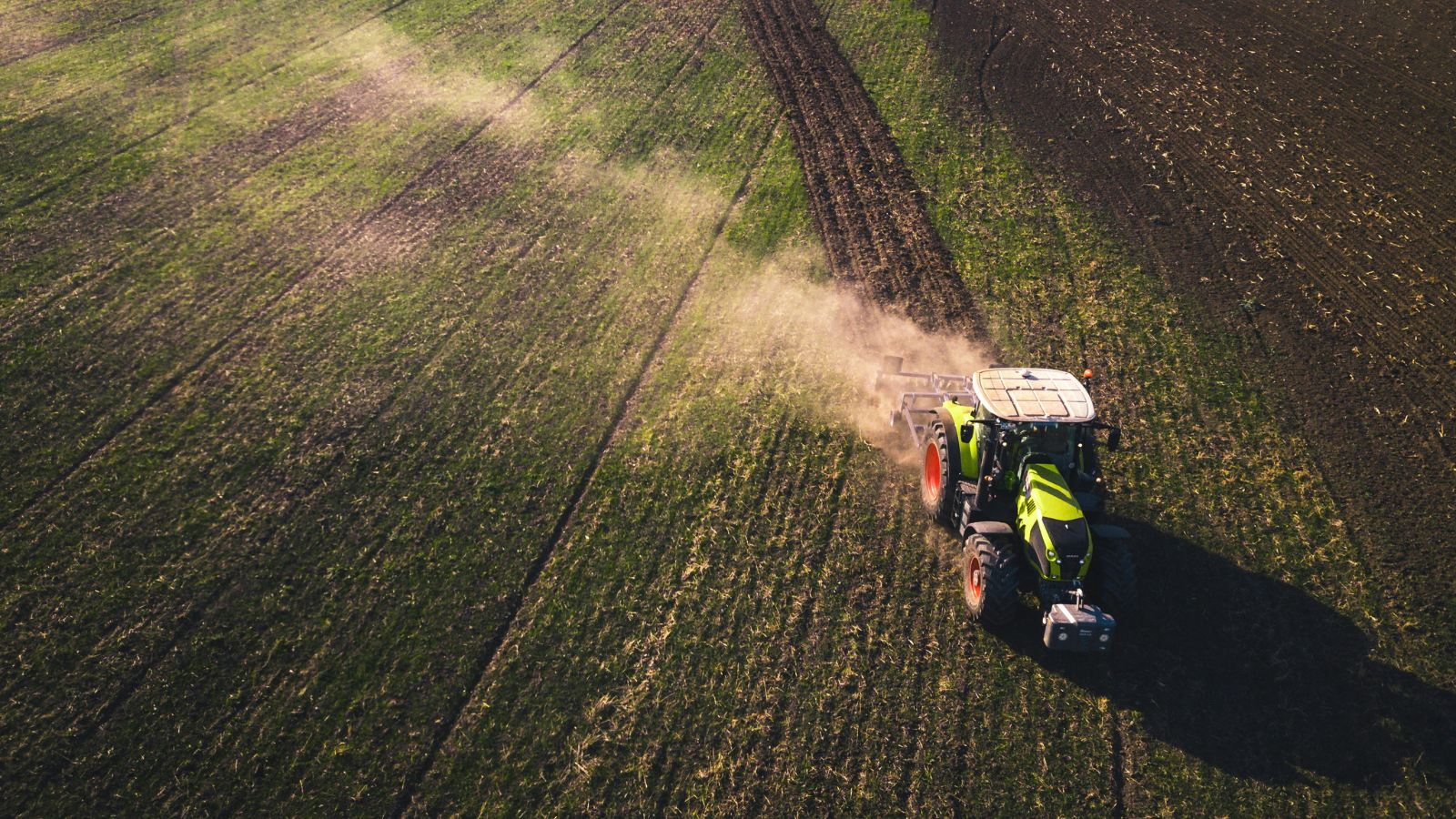
Smart farming technology refers to the integration of advanced tools, such as IoT sensors, robotics, AI, and data analytics, into agricultural practices to increase efficiency, yield, and sustainability. By digitizing operations, farm owners and agribusiness leaders can make data-driven decisions that optimize resources and boost profitability.
The Growing Need for Smart Farming
The International Monetary Fund, citing a Pew Research Center analysis of a United Nations’ report, predicts the world’s population will reach 9.7 billion by 2050. Why is this important? Because a growing population requires food for every person’s survival, and today’s farmers and agribusinesses are scrambling to figure out how to produce more food more efficiently, so they can ensure food security.
That’s where smart farming technologies come into play.
Smart farming brings sensors, connectivity, automation, AI, and data platforms into everyday farming to improve yields, reduce inputs, boost resilience, and combat climate change. Today, we’ll explore the smart farming tech landscape, including:
- How to implement smart farming systems.
- How to evaluate the ROI of smart farming.
- How to offset the costs.
- How to mitigate the challenges that come with modern technology.
And we’ll discuss how Acumatica’s ERP Software for Agriculture can help farm owners and operators, agribusiness leaders, and IT decision-makers optimize their business processes as they look to modernize and ready their agricultural operations for future requirements.
What is Smart Farming Technology?
- Smart farming technology is the application of data-driven systems and connected devices to manage and optimize agricultural production processes. It shifts farming from manual, intuition-based management to precise, automated, and analytical operations.Examples of smart farming technologies include:
- Internet of Things (IoT) Devices: Using embedded sensors that connect with software systems to collect and analyze data—monitoring livestock, crops, farm equipment, moisture, nutrients, canopy stress, etc.
- Light Detecting and Ranging (LiDAR): Using pulsed laser light to create a model of an object or site via drones/sensors—optimizing irrigation, preventing soil erosion, monitoring crop health, etc.
- Robotics: Using robots to automate tasks previously performed by people (e.g., self-driving tractors and unmanned aerial vehicles (UAVs) to spread seed or prune).
- Cloud ERP with AI/ML: ERP solutions like Acumatica and its artificial intelligence (AI) and machine learning (ML) serve as the central nervous system for smart farming. Their capabilities allow agriculture professionals to analyze the data they gather from their smart farming technologies all in one place, so they can unify their data, utilize multi-dimensional reporting, and rely on role-based security to make data-driven decisions.
How to Implement Smart Farming Systems Without Derailing Operations
Implementing smart farming systems can be a complex process that requires dedication, time, manpower, and a realistic budget. (The U.S. Department of Agriculture (USDA) provides financial assistance and loan programs for this purpose). It also requires assistance from smart farming technology experts who understand the systems and what it takes to get them up and running, including:
- Problem framing.
- Data audits.
- Pilot designs with success metrics.
- Interoperability checks.
- Connectivity planning.
- Change management.
- Training plans.
Connectivity
Wireless sensor networks are the backbone of smart farming. Reliable connectivity and secure data sharing are essential adoption enablers. A secure, cloud-based ERP removes the risk of data silos, ensuring that critical insights are available in real-time. Once the central system is secure, operators can focus on mapping coverage and selecting protocols that fit their specific terrain and acreage.
Interoperability and Integration
Farming operations need technologies that are compatible with existing machinery and software and that can integrate with (or replace if needed) their inventory (e.g., seeds, fertilizers, equipment) and financial systems. In an agriculture ERP system, look for open APIs, which enable these integrations—preventing data silos and allowing information to flow seamlessly, giving users quick, time-saving access to critical information.
Skills and Change Management
Technology is only as good as the people using it. Successful implementation relies on a robust change management plan. This includes:
- Identifying internal “champions” to lead adoption.
- Scheduling short, focused training loops.
- Defining standard operating procedures (SOPs) for data capture.
- Building digital literacy across the workforce.
Smart Farming ROI
The benefits of investing in smart farming technologies should always be weighed against the cost. Compared to the potential return on investment (ROI), how high should the budget for hardware, software, connectivity requirements, and training be? Using a project-cost and cash flow tracking tool, like Acumatica’s Project Accounting, can provide a good picture of your possible ROI—an important consideration for any farm or agribusiness looking to implement digital technologies.
Key Challenges and How to Mitigate Them
Potentially high ROIs suggest implementing smart farming technologies is a wise, business-enhancing decision that comes with impressive benefits, including:
- Increased Visibility: real-time insights into agribusiness operational health and performance.
- Improved control: over crop quality and yield (with the same amount or even reduced inputs, such as water and fertilizer).
- Input Reduction: reduced production and labor costs.
- Longevity: enhanced livestock longevity.
- Sustainability: improved environmental outcomes (e.g., less use of chemicals, reduction in water usage, and more) and climate resiliency.
Mitigating Implementation Challenges
While business complexity, change resistance, and skills gaps may be challenges to technology implementations, they can be mitigated (or entirely avoided) with some smart planning steps:
- Phased rollouts: will allow you to progress step by step, giving you time to fix any hiccups as you go.
- Clear Communication: inform employees in advance, letting them know that new technologies are coming, why the implementation is happening, and what tangible benefits they can expect, prepares them for the change and alleviates possible resistance. Vigorous training programs also eliminate skill gaps.
- Unified Platforms: starting small with pilot technology tied to clear metrics, ensuring system interoperability and connectivity, and using a comprehensive, cloud-based ERP solution, like Acumatica, to unify all your tech under one umbrella are the keys to mitigating growth challenges and setting up your business for a successful digital future.
Customer Success Stories: Real-World Impact
Kelly Products, Inc.
Unified 13 business entities with Acumatica’s all-in-one platform.
“One of the key benefits is being able to link companies. We can make an update once and it translates the update for all our companies rather than having one person manually enter the update into many systems.” – Corey Wynn, Information Technology Manager (Former), Kelly Products, Inc.
American Meadows
Opened a new path for providing personalized meadowscaping solutions for every customer at scale.
“Acumatica has given us a robust ecommerce solution to keep us on the cutting edge. We have the flexibility and data access that we need to scale our business as we grow, and to identify and resolve potential problems to our customer’s satisfaction quickly.” – Ethan Platt, President & Co-Owner, American Meadows
Happy Valley
Gained the ability to simultaneously track the unique lifecycles, post-harvest care, and regulatory requirements for 50 individual cannabis cultivars.
“Being able to analyze every aspect of our production process and create efficiencies and drive efficiency through that data has helped us immensely. Because it’s a living plant, every time we grow a strain, it can yield differently. It can test differently, and it can grow differently. All of those things were impossible to track. [With Acumatica, we can enter any number of variables into the platform, and] that allows us to make decisions that are going to help drive our business.” – Sean Corrigan, VP of Operations, Happy Valley
Cornell Cooperative Extension
Found full financial transparency, closed staffing gaps thanks to Acumatica’s award-winning usability, and gained nonprofit tools to help them respond quickly to changing community needs.
“Acumatica is magic. We haven’t found anything we can’t do with Acumatica.” – Donna James, Statewide Finance Specialist, Cornell Cooperative Extension.
Redmond Inc
Saved millions in inventory costs and gained an unconstrained platform for growth.
“With Acumatica as the heart of the business, there isn’t a challenge or technical problem we can’t overcome.” – Aaron Gabrielson, CTO, Redmond inc.
Frequently Asked Questions
How does smart farming technology improve sustainability?
Smart farming technology improves sustainability by using data to optimize resource usage. Precision tools ensure that water, fertilizers, and pesticides are applied only where needed, reducing waste and environmental impact.
Is smart farming technology only for large farms?
No, smart farming technology is scalable and beneficial for small and mid-sized agribusinesses. Cloud ERPs and flexible IoT solutions allow smaller operations to automate tasks, reduce costs, and compete with larger producers.
What role does ERP play in smart farming?
An ERP acts as the central hub for smart farming, collecting data from various sources (sensors, drones, machinery) and integrating it with financial and operational workflows to enable unified, data-driven decision-making.